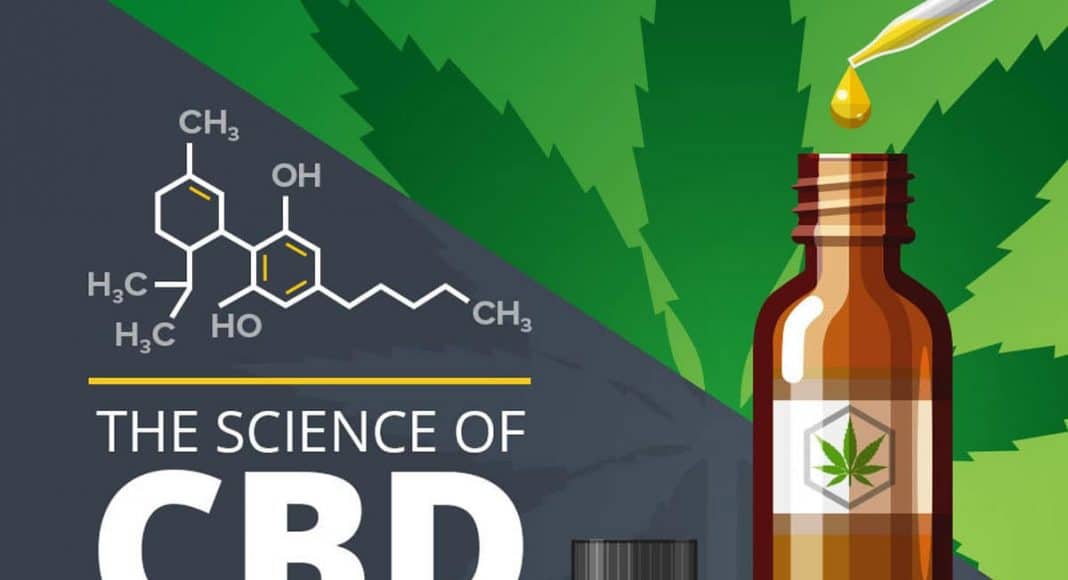
In past times, cannabidiol, commonly known as CBD, has taken the wellness world by storm. As a naturally occurring compound found in the cannabis plant, its potential benefits are making waves across various health conversations. My personal journey with CBD began out of curiosity and necessity, leading me to explore its wide array of applications, from addressing pain to improving personal relationships.
One area that has particularly piqued my interest is the use of CBD suppositories, especially for women experiencing dyspareunia, a painful condition that can deeply affect intimacy and well-being. The conversation around CBD for pelvic health has garnered attention, sparking discussions on how it can serve as an alternative to more traditional pain management options, such as opioids. As I navigated this path, I found my experiences illuminating, shaping my understanding of CBD and its potential role in enhancing well-being for many.
Examining Cannabidiol Suppositories
Cannabidiol suppositories are receiving attention in recent years as an alternative method of delivering CBD. Unlike traditional forms such as oil products or edibles, these forms enable direct absorption into the bloodstream, which can yield faster and more efficient relief. Numerous people are interested about how this approach may enhance their use with CBD, especially those suffering from persistent pain or other intimate health issues.
For ladies experiencing dyspareunia, Cannabidiol suppository products offer a potential solution. The localized effects of the products can offer targeted relief in the reproductive area, making intimate moments less uncomfortable and more relaxed. Users have indicated a reduction in pain and discomfort, suggesting that the inflammatory-reducing qualities of CBD may be important in alleviating these issues.
Comparing Cannabidiol to narcotics presents another fascinating aspect of this discussion. While Medroots Suppositories Reviews are commonly utilized for pain management, they come with a multitude of adverse effects and risks, including addiction. Cannabidiol suppositories may act as a holistic option, delivering therapeutic benefits without the high addiction potential often associated with narcotic painkillers. As an expanding audience explore this option, the discussion around pain management continues to develop, underscoring the need for other options in holistic health.
CBD for Dyspareunia
For many, the experience of dyspareunia, can significantly impact quality of life and intimate relationships. As this condition affects both bodily and mental well-being, finding effective and secure treatment options is important. CBD, commonly referred to as Non Surgical Endometriosis Treatment , has emerged as a promising remedy for various types of discomfort, including pain during intercourse. Unlike traditional analgesics, CBD interacts with the body’s endocannabinoid system, which may help to alleviate pain and inflammation associated with dyspareunia.
CBD vaginal suppositories have emerged as a preferred method for delivering CBD to those struggling with pain in the pelvic area, including dyspareunia. This form of administration enables immediate absorption into the target area, potentially offering quicker relief than oral methods. Many users report that using CBD vaginal suppositories has helped them experience reduced pain and greater relaxation, allowing for more enjoyable intimate moments without the stress or discomfort that can arise from fearing the pain.
In comparison to conventional treatments, such as narcotics, CBD offers a beneficial alternative with fewer side effects. While opioids can be beneficial for pain management, they often carry the potential of dependency and other serious health concerns. CBD presents a non-addictive option that may assist individuals in managing their pain more holistically. As more research emerges, the potential benefits of CBD for those experiencing dyspareunia continue to be investigated, highlighting its role in enhancing sexual health and overall life quality.
CBD for Pelvic Discomfort
Pelvic pain can be a challenging condition that impacts many aspects of life, such as interpersonal connections and mental health. For those seeking different options to conventional pain relief methods, CBD has emerged as a promising choice. CBD, known for its anti-inflammatory and analgesic properties, has been increasingly studied for its effectiveness in treating various types of pain, such as pain in the pelvic region. Many individuals report that cannabidiol helps alleviate their symptoms, providing a sense of relief without the adverse effects commonly associated with pharmaceutical drugs.
Cannabidiol suppositories have gained attention as a unique delivery method for addressing pelvic pain directly. This method allows for direct effects, potentially enhancing the effectiveness of cannabidiol on the areas most affected by discomfort. Users appreciate the ease of use and discreet nature of insertables, allowing for easy integration into their everyday health practices. Many find that this form of cannabidiol not only helps with physical symptoms but also contributes to a holistic sense of health overall.
Furthermore, compared to opioids, cannabidiol presents a viable alternative for managing pain. The opioid crisis has highlighted the need for more secure pain management solutions, and cannabidiol offers a non-habit-forming option. Research continues to advance, investigating the effectiveness of cannabidiol in providing relief from pain while reducing dependency on more harmful substances. As awareness grows, many individuals are exploring cannabidiol as a natural remedy for pelvic pain, considering it a feasible solution in their journey towards better health.
Cannabidiol vs Opioids
In the past few years, the dialogue around chronic pain management has changed dramatically, particularly with the rise of opioid misuse and the search for alternative therapies. CBD is becoming known as a potential option for those seeking relief from chronic pain without the harsh side effects associated with opioids. Research suggests that cannabidiol may affect the body’s endocannabinoid system, providing pain relief that can help diminish inflammation and ease pain.
One key pro of cannabidiol over narcotics is its lower risk of reliance and addictive behavior. While narcotics provide immediate pain relief, they come with a high risk of developing tolerance and experiencing withdrawal effects. In contrast, CBD does not produce intoxicating effects and has a safer safety profile. Many individuals have begun to explore CBD suppositories as an effective delivery method, especially for specific conditions like painful intercourse and pelvic discomfort, where targeted relief is beneficial.
Additionally, studies indicate that CBD may help lessen some of the side effects often encountered with opioid therapies, such as nausea and vomiting and psychological distress. This positions CBD as a complementary treatment that could enhance the overall quality of life for individuals dealing with different pain syndromes while reducing the risks associated with opioid therapy. As the investigations progress to develop, merging CBD’s therapeutic benefits with conventional treatments could transform pain management strategies in the near future.